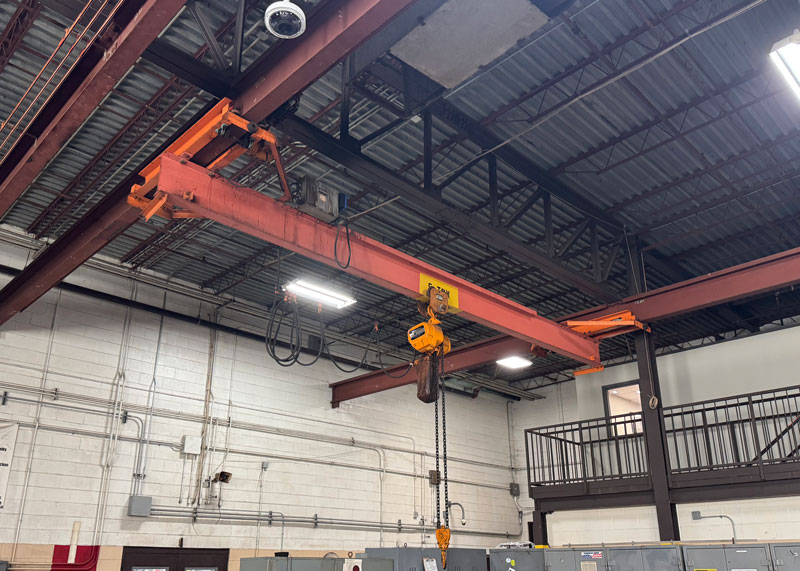
Actionable Guidelines for Overhead Crane Operators and Site Managers
Introduction: The Importance of Crane Safety in Material Handling
Overhead cranes are fundamental to efficient material handling in manufacturing, construction, and logistics industries. However, improper operation poses significant risks to personnel, equipment, and productivity. Prioritizing crane safety is crucial to prevent accidents and maintain a compliant, productive work environment. This article from Knower offers authoritative guidelines and practical safety tips designed to reduce risks and enhance safe operation of overhead cranes, targeting crane operators, site managers, and safety professionals seeking reliable best practices.
Crane Accident Statistics: Industry Data and Insights
According to the Occupational Safety and Health Administration (OSHA), crane-related incidents account for hundreds of injuries and dozens of fatalities each year in the United States. The Bureau of Labor Statistics reports that most crane accidents result from contact with power lines, equipment failure, and improper load handling. Construction sites and manufacturing plants are particularly vulnerable, with the majority of incidents occurring during routine lifting operations. These statistics highlight the urgent need for robust safety protocols and ongoing training to mitigate risks.
Pre-Operation Safety: Inspection and Checklist Development
A comprehensive pre-operation inspection is the cornerstone of crane safety. Before each use, operators and site managers should follow a standardized checklist that includes:
- Visual inspection of hooks, ropes, chains, and lifting mechanisms for wear or damage
- Verification of control systems, including emergency stop functions
- Assessment of safety devices, such as limit switches and warning alarms
- Confirmation of clear work zones, free of obstructions and unauthorized personnel
Documenting inspection results and addressing any issues before operation significantly reduces the risk of equipment failure and workplace incidents.
Crane Maintenance: Best Practices for Safe Operation
Regular maintenance is essential for safe crane operation and compliance with manufacturer guidelines. Maintenance best practices include:
- Scheduled lubrication and replacement of moving parts
- Routine testing of electrical and mechanical components
- Inspection of structural elements for signs of fatigue or corrosion
- Adherence to manufacturer-recommended service intervals
Proactive maintenance not only extends equipment lifespan but also prevents unexpected breakdowns that could endanger site personnel.
Operator Training: Essentials for Safe Crane Use
Effective operator training is a critical element of crane safety. Key training requirements include:
- Certification in overhead crane operation and safety protocols
- Hazard awareness training, covering electrical, mechanical, and environmental risks
- Instruction on load calculations, weight limits, and safe lifting techniques
- Preparation of the workspace, including proper signaling and communication methods
Site managers should ensure ongoing training and refresher courses to keep operators up to date on the latest safety standards and operational guidelines.
Safe Load Handling: Step-by-Step Operational Guidelines
To minimize risks during crane operation, operators should follow these step-by-step guidelines:
- Verify load weight and ensure it is within crane capacity
- Secure the load using appropriate rigging and lifting accessories
- Communicate movements and intentions clearly using standardized signals
- Lift loads vertically; avoid side-pulling or dragging
- Maintain clear sightlines and avoid moving loads over personnel
- Lower loads slowly and steadily to prevent sudden shifts
Establishing clear communication protocols between crane operators, signalers, and ground personnel is essential for safe material handling.
Special Materials: Additional Safety Considerations for Hazardous Loads
When handling hazardous or irregularly shaped materials, additional precautions are necessary:
- Use specialized lifting devices for hazardous or high-value loads
- Implement extra barriers and exclusion zones to protect site personnel
- Conduct risk assessments and develop emergency response plans
- Ensure operators are familiar with handling requirements for hazardous materials
These measures help prevent accidents involving toxic, flammable, or heavy loads, safeguarding both people and property.
Conclusion: Commitment to Crane Safety and Further Resources
A strong commitment to crane safety is essential for every organization involved in material handling. By implementing thorough inspections, regular maintenance, comprehensive training, and clear operational procedures, site managers and crane operators can create a safer workplace and reduce the risk of costly incidents. For more information on crane safety best practices, industry standards, and training resources, visit Knower Network.