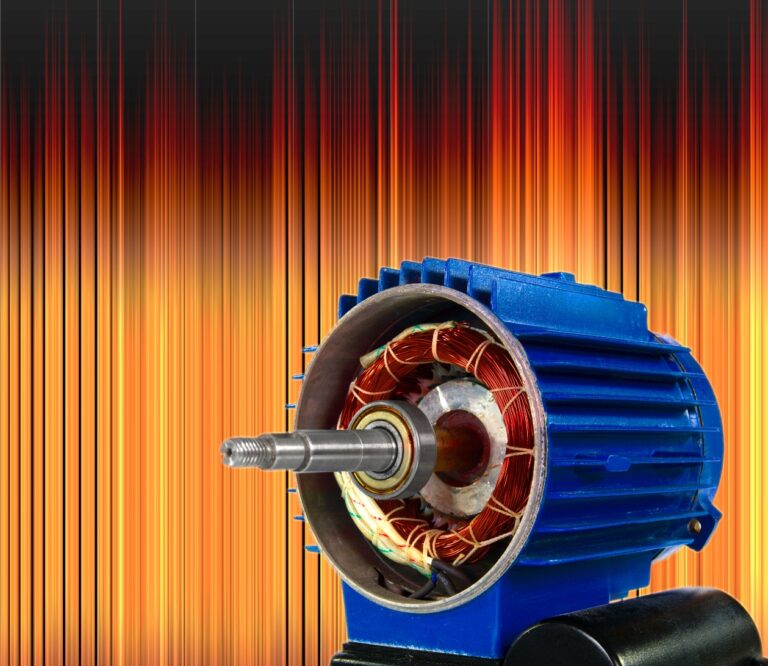
Motor vibration is one of the most common issues that can shorten the lifespan of your equipment, increase operational costs, and lead to unexpected downtime. If not addressed quickly, even minor vibration problems can escalate into serious motor failures and safety risks.
In this guide, we’ll explain the causes of motor vibration, what happens if the issue goes unresolved, and how to prevent costly breakdowns.
Common Causes of Motor Vibration
Understanding the root causes of motor vibration is key to preventing long-term damage.
1. Misalignment
Improper alignment between the motor and its driven application is a leading cause of vibration. Two main types of misalignment can occur:
-
Angular misalignment – shafts meet at an angle instead of being parallel.
-
Parallel misalignment – shafts are offset but remain parallel.
Belt-driven alignment issues are also common. Poor belt alignment creates excessive axial load, over-tensions the belts, and puts unnecessary radial stress on bearings. Following manufacturer-recommended belt tension settings helps prevent this problem.
2. Poor Foundation
A weak or improperly designed foundation can amplify vibration. A good foundation must:
-
Support the motor’s weight and torque force
-
Provide rigidity and structural stiffness
-
Include vibration-dampening properties
Concrete foundations should be level and oversized. Steel bases should be grouted, securely anchored, and rigid. Sliding bases for belt adjustments must still hold the motor firmly to prevent vibration.
3. Imbalance
Imbalance occurs when part of the motor’s rotating assembly is heavier than the rest—similar to an unbalanced washing machine load. Causes include:
-
Casting defects or uneven weight distribution
-
Dirty or damaged fan blades
-
Missing balance weights
Even small imbalances create centrifugal forces that increase vibration and accelerate wear.
4. Looseness & Soft Foot
Any looseness between connected components allows excess vibration. Check that:
-
All bolts are tight
-
The motor feet are fully secured to the base
-
No parts are shifting during operation
Soft foot occurs when motor feet don’t sit evenly on the foundation due to manufacturing issues, loose bolts, or uneven mounting surfaces. This can twist the frame, reduce efficiency, and damage the driven application. While shims can correct soft foot, excessive use can cause “sponge foot,” which absorbs vibration instead of properly dampening it.
5. Wear and Tear
Over time, normal wear leads to internal motor damage. If alignment, belts, foundation, and fasteners all check out, look for:
-
Broken or missing fan blades
-
Worn internal parts
-
Missing balance components
Even minor changes inside the motor can create significant vibration issues.
Effects of Motor Vibration
Ignoring vibration doesn’t just harm your motor—it impacts your entire operation.
Noise
Vibration frequencies below 1 kHz are often inaudible, but as vibration increases, it produces audible noise. Excessive noise accelerates motor damage and creates a workplace safety issue.
Safety Hazards
Vibration can loosen parts, creating sparks that may cause fires. Continuous exposure to noise can also lead to hearing loss. Left unchecked, vibration increases the risk of catastrophic equipment failure.
Unscheduled Downtime
Downtime caused by motor failure translates directly into lost revenue. Waiting on replacement parts—or worse, an entirely new motor—can halt production for weeks. Monitoring vibration patterns during maintenance helps prevent these costly surprises.
Accelerated Wear
When motors vibrate, stress isn’t distributed evenly. This leads to:
-
Faster bearing wear
-
Damaged insulation on windings
-
Brittle or broken lead wires
-
Brush sparking at commutators or collector rings
Over time, these issues drastically reduce motor lifespan and reliability.
How to Prevent Motor Vibration Issues
-
Perform regular vibration analysis during preventive maintenance
-
Ensure motors are properly aligned during installation
-
Use rigid, level foundations with vibration-dampening properties
-
Monitor belt tension and alignment according to manufacturer guidelines
-
Inspect and tighten all bolts, feet, and mounting points
-
Replace worn internal components before they fail
Final Thoughts
Motor vibration is more than just a nuisance—it’s a warning sign that something is wrong. By understanding the causes and effects of vibration, you can take proactive steps to protect your equipment, minimize downtime, and extend the life of your motors.