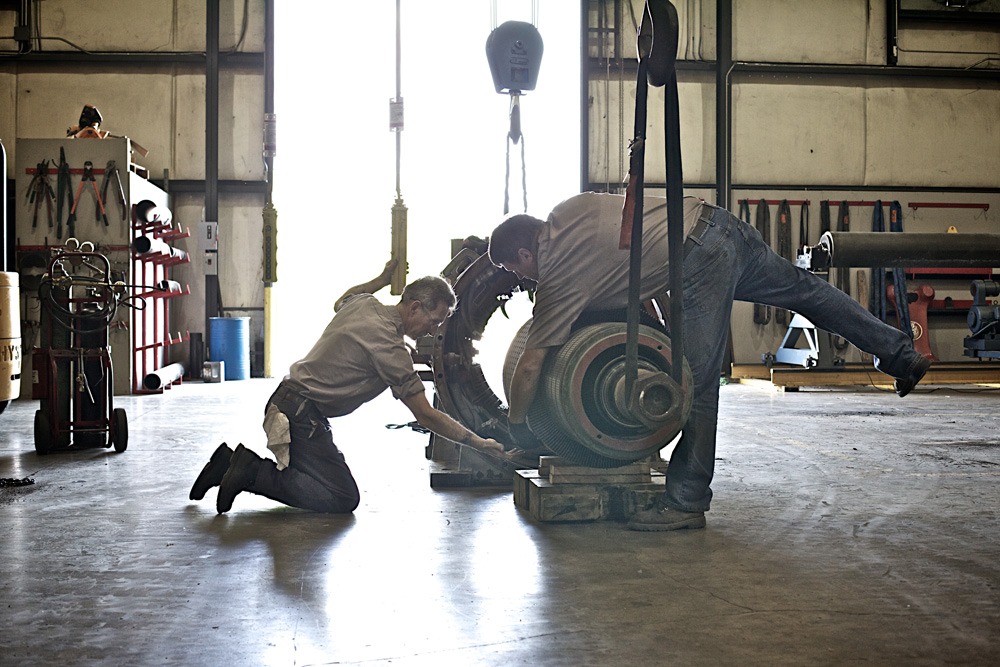
Your electric motors and related equipment are the backbone of your operations. Sending them to an unvetted motor repair shop can lead to costly downtime, expensive mistakes, or even permanent equipment damage. With thousands of shops promising they can handle everything from electrical motor testing to complete rebuilds, it’s essential to separate the ones with true expertise from those simply looking for business.
Before entrusting your motors—often worth hundreds of thousands of dollars—to any repair shop, you should visit the facility and ask the right questions. This guide will help you vet potential partners and protect your investment.
Why Evaluating a Motor Repair Shop Matters
It’s easy to pick the vendor who is convenient or familiar, but not all shops have the expertise or equipment necessary to service specialty motors, large industrial motors, or high-voltage systems. A poor repair job can lead to:
-
Increased downtime
-
Reduced efficiency
-
Higher operating costs
-
Shortened motor lifespan
By asking targeted questions, you’ll ensure your repair partner has the tools, certifications, and technical knowledge required to restore your motor to industry standards.
Key Questions to Ask a Motor Repair Shop
1. Logistics and Handling Capabilities
-
Do you own trucks large enough to transport my motor, or do you outsource transportation?
-
Do you carry insurance that fully covers replacement costs in the event of damage or loss?
-
Do you have crane capacity to unload and move large motors safely?
2. Electrical Testing Standards
-
Do you perform full-voltage testing, or do you rely on partial-voltage equipment?
-
Is your testing equipment calibrated regularly?
-
Is your shop EASA Accredited (Electrical Apparatus Service Association)?
3. Cleaning and Baking Equipment
-
Do you have cranes and cleaning booths large enough for my equipment?
-
Is your oven large enough for rotors and stators, and does it include chart recorders to document time and temperature?
-
Can you balance large rotors after baking?
4. Rewind Capabilities
-
Do you have a burnout oven for large stators, and does it maintain safe lamination insulation temperatures?
-
Can you perform core loss tests before and after burnouts with infrared cameras?
-
Do you verify winding data accuracy for my motor design?
-
Do you have an in-house VPI (Vacuum Pressure Impregnation) tank, or is it outsourced?
-
Is your coil supplier’s insulation system compatible with your VPI resin?
5. Testing After Rewind or Repair
-
Will I have input on the voltage levels used during stator testing?
-
Do you provide detailed test documentation and a final report?
-
Do you run motors at full operating voltage (e.g., a 4,160V motor tested at 4,160V, not 2,300V)?
-
How long is the motor test run, and do you monitor bearing temperatures until they stabilize?
-
Do you perform vibration analysis as part of the testing process?
Beyond the Basics: What to Look For
A trustworthy motor repair shop doesn’t just fix motors—it delivers documentation, traceability, and proof of quality at every step. You should walk away with:
-
A complete final motor report
-
Documentation of all tests, temperatures, and measurements
-
Confidence that your equipment has been restored to the highest industry standards
Remember: a friendly salesman or a weekly donut delivery isn’t enough reason to trust a shop with your most critical equipment. Your due diligence now can prevent costly failures later.
Final Thoughts
Selecting the right electric motor repair shop is about more than convenience—it’s about protecting your investment and ensuring operational reliability. By asking these questions and evaluating the answers carefully, you’ll know whether a shop truly has the technical expertise, equipment, and certifications to handle your motors properly.